 comparison
TrailerRentalNearMe Alternatives: Local vs. National Options
Table of Contents
- Why Look Beyond TrailerRentalNearMe for Your Next Haul
- Quick Comparison: TrailerRentalNearMe Alternatives at a Glance
- National Chains: U-Haul, Home Depot, and Budget Truck Rental
- Local Trailer Rental vs National Chains: What Actually Differs
- Car Hauler Rental Requirements: What You Must Bring and Know
- Hidden Fees and Rental Terms: How to Avoid a Surprise Bill
- Best Practices for Towing a Car Hauler Safely
- Which TrailerRentalNearMe Alternative Should You Pick?
- Frequently Asked Questions
Last Updated: September 8, 2026
Why Look Beyond TrailerRentalNearMe for Your Next Haul
Searching for a "trailer rental near me" aggregator often returns options without telling you which fits your truck, cargo, and schedule, which is why exploring trailerrentalnearme alternatives is a smarter first step. A trailerrentalnearme alternative matters because the cheapest listed rate rarely reflects the total cost once you factor in mileage, insurance, and equipment compatibility.
The real question is which provider can guarantee availability, match your vehicle's towing capacity, and offer terms that work for your timeline.
Below, we'll break down the differences between national chains and local providers, what you must bring to rent a car hauler, and how to avoid the surprise bill that turns a simple haul into a headache.
Quick Comparison: TrailerRentalNearMe Alternatives at a Glance
| Provider | Best For | Key Strength | Typical Limitation |
|---|---|---|---|
| 402 car hauler rentals | Car hauling and equipment transport | Flexible terms, competitive rates, local expertise | Service area centered on Omaha, NE |
| U-Haul | DIY moves and immediate availability | Extensive national network | Pricing fluctuates with demand |
| The Home Depot | Home improvement and debris hauling | Convenient retail pickup | Limited trailer inventory |
| Budget Truck Rental | Long-distance moves with vehicle towing | Bundled discounts with trucks | Focused on vehicle transport only |
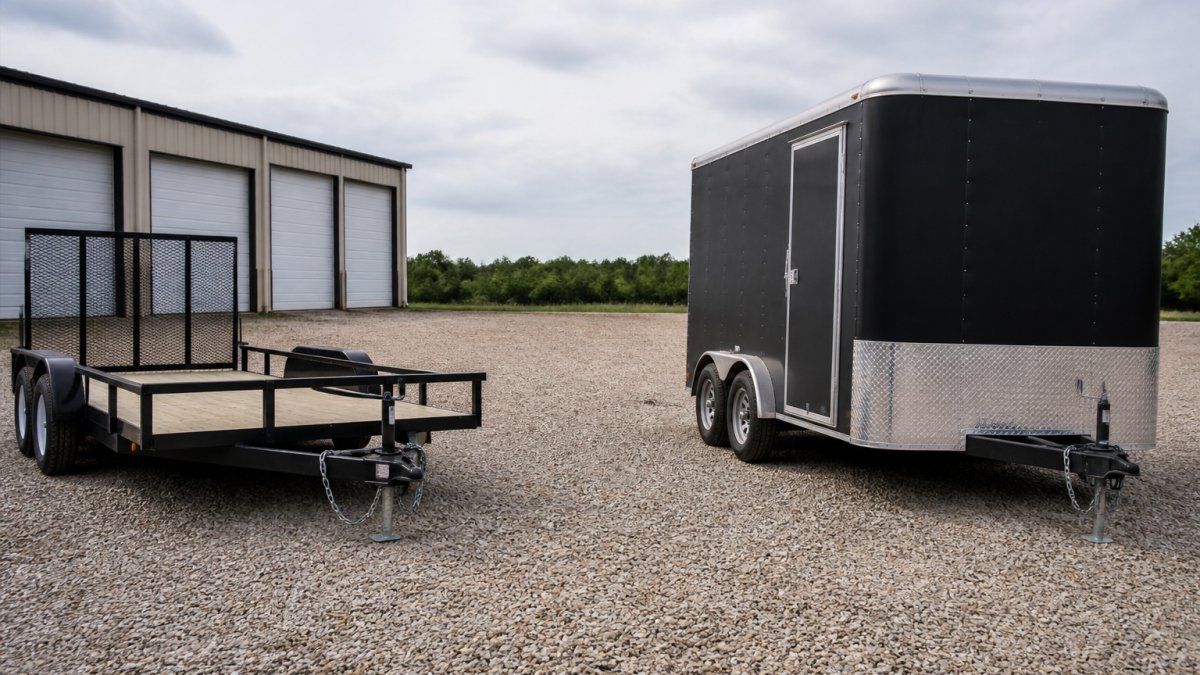
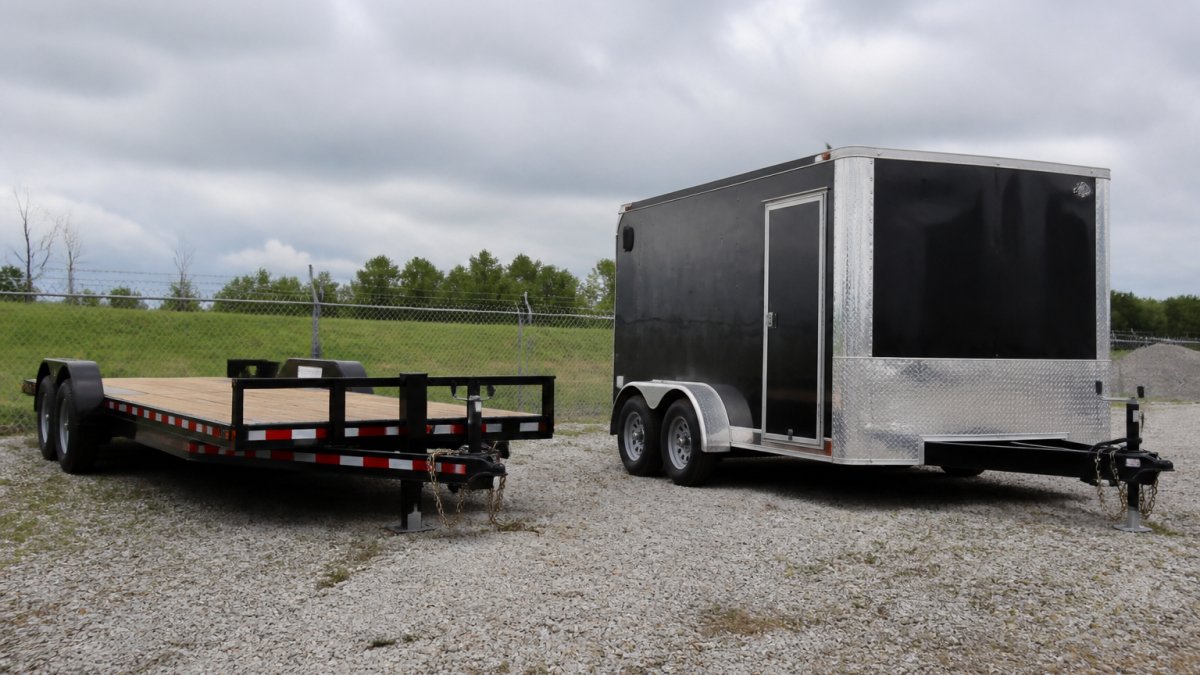
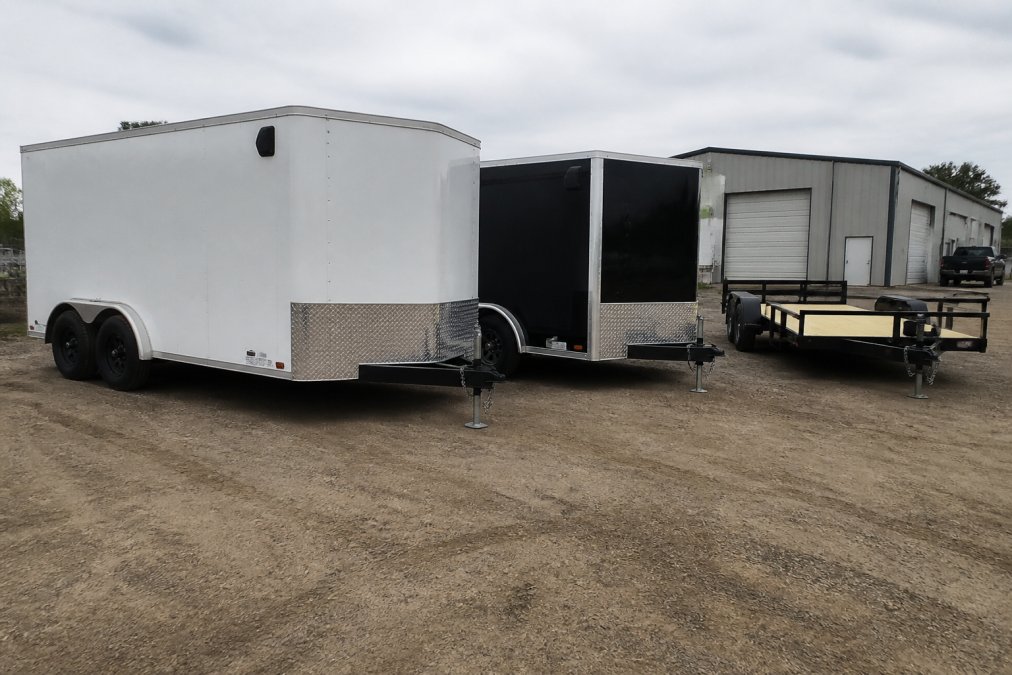
Choosing a trailerrentalnearme alternative starts with understanding what you are hauling and how far. A utility trailer for a weekend furniture move is a different decision than a car hauler for a classic car heading to a show.
National Chains: U-Haul, Home Depot, and Budget Truck Rental
National providers dominate search results because they have scale. U-Haul offers the largest selection of cargo, utility, and car trailers with pickup locations across the country, and their online reservation system shows real-time availability. Their utility trailer rates start around $14.95 for local rentals, though pricing shifts based on demand and location.
The Home Depot rents utility, dump, and flatbed trailers at select store locations. This works well for homeowners and contractors already at the store picking up materials, and the hourly rental window suits short jobs. Inventory is limited compared to dedicated rental companies, so reserving ahead is essential during peak season.
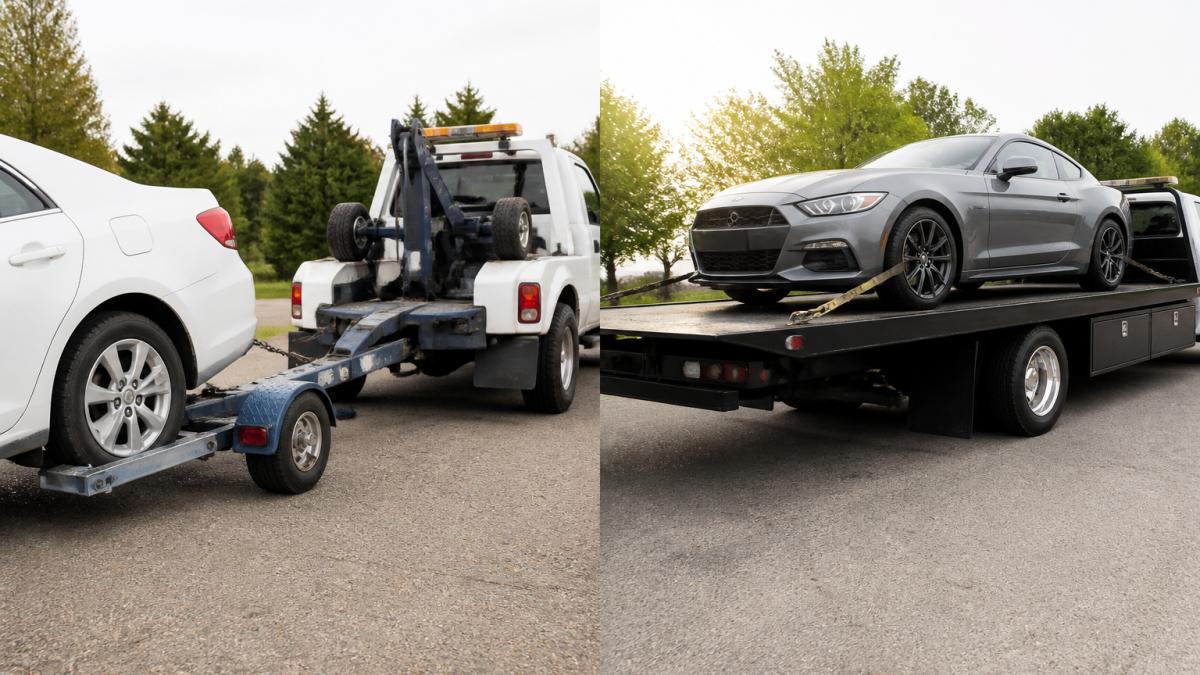
Budget Truck Rental provides car carriers and tow dollies, primarily for customers moving long distances who need to bring a personal vehicle along. Bundling a trailer with a moving truck often reduces the overall cost, but their equipment is not designed for general utility hauling.
Local Trailer Rental vs National Chains: What Actually Differs
A local trailer rental vs national chains comparison reveals differences beyond price. National chains standardize their fleet, which means consistent equipment but also consistent restrictions. Their rental agreements often include strict rules about vehicle age, towing capacity verification, and return conditions that leave little room for negotiation.
Local providers, by contrast, can adapt to your situation. If you have an older truck that is not stock, a local specialist can assess your setup in person and confirm whether it can safely tow their equipment. This is the core difference between a local trailer rental vs national chains: the ability to get a straight answer about your specific vehicle and cargo before you commit.
Local providers also tend to maintain their equipment with more attention.
Car Hauler Rental Requirements: What You Must Bring and Know
Most rental listings tell you to 'know your towing capacity,' but they never explain how to find it or what to do if your vehicle isn't rated for the load. This section is a practical checklist to verify your tow vehicle before you book, so you don't discover a compatibility problem after the deposit is paid.
Step 1: Find Your Vehicle's Real Towing Capacity
The number in your owner's manual is the starting point, but it is not the final answer. That figure assumes a properly equipped vehicle with a single 150-pound driver and no cargo. Every passenger, tool, cooler, or suitcase in the cab and bed reduces your available payload, which directly reduces how much trailer you can safely pull.
Use the payload sticker on the driver's side door jamb. It lists the maximum combined weight of occupants and cargo. Subtract the weight of everyone in the truck and any gear you are carrying. The remaining number is your available tongue weight budget. Since tongue weight should be 10 to 15 percent of the loaded trailer weight, you can work backward to estimate the heaviest trailer you can handle (nhtsa.gov).
Step 2: Verify Your Hitch and Wiring
A car hauler with a loaded vehicle typically requires a Class III or Class IV hitch. Look at the hitch receiver's label or stamp, it will show the gross trailer weight rating (GTWR) and tongue weight rating. If the label is worn off, measure the receiver opening: 1.25 inches is Class II, 2 inches is Class III or IV. A Class III hitch is rated up to 6,000 pounds gross trailer weight and 600 pounds tongue weight (etrailer.com). A Class IV hitch handles up to 10,000 pounds and 1,000 pounds tongue weight.
Your vehicle must also have a 4-pin or 7-pin wiring connector. A car hauler with electric brakes requires a 7-pin connector and a brake controller installed in the cab. If your truck only has a 4-pin connector, you cannot legally tow a trailer with electric brakes, the trailer's brakes will not activate (nhtsa.gov). Most rental providers will not let you leave the lot without a functioning brake controller for trailers over 3,000 pounds.
Step 3: Check Your Owner's Manual for Specific Restrictions
Many truck manufacturers impose restrictions that are not obvious. For example, some half-ton trucks require a weight-distributing hitch for trailers above 5,000 pounds. Others limit towing in 4WD low range or prohibit towing in overdrive. Some specify a maximum trailer width or require extended mirrors for trailers wider than the tow vehicle. These details are buried in the towing section of the owner's manual, and most renters never read them.
Step 4: Bring the Right Documents and Payment
You will need a valid driver's license, proof of current auto insurance, and a credit card for the security deposit. Some providers accept debit cards, but they may place a larger hold. If you are renting a trailer that requires electric brakes, bring proof that your vehicle has a brake controller, some providers will ask to see it installed before releasing the trailer.
Step 5: Inspect the Trailer Before You Sign
A pre-rental inspection is not just a formality. Check the tires for sidewall cracks and tread depth. Look at the tie-down points for bending or rust. Verify that the ramps are free of oil and debris. Test the trailer lights by connecting the wiring harness and having someone watch the brake lights, turn signals, and running lights. If the trailer has electric brakes, ask the provider to demonstrate that they engage when you apply the brake controller.
The Bottom Line on Requirements
The rental provider will check your license and payment method. You are responsible for checking everything else. A five-minute inspection of your door jamb sticker, hitch label, and wiring connector before you book can prevent a canceled reservation or a dangerous situation on the highway.
Hidden Fees and Rental Terms: How to Avoid a Surprise Bill
The advertised daily rate is the hook. The final bill is where the real cost lives. Most rental agreements layer on charges that are easy to miss if you do not know where to look. Here is a breakdown of the fee categories that drive up the total cost, and how to calculate your real price before you sign.
The Four Fee Buckets That Inflate Your Bill
1. Mileage charges. Some providers include a set number of miles in the daily rate, often 50 to 100 miles for local rentals. Every mile beyond that allowance is billed at a per-mile rate, typically $0.25 to $0.99 depending on the trailer type and provider. A one-way rental from Omaha to Denver is roughly 540 miles. If your allowance is 100 miles and the overage rate is $0.50 per mile, that is an extra $220 on top of the base rate. Always ask for the total estimated mileage cost in writing before you book.
2. Insurance and damage waivers. The base rate rarely includes collision damage coverage. Providers will offer a damage waiver at the counter, typically $10 to $30 per day. This waiver limits your financial responsibility if the trailer is damaged, but it often excludes tire damage, undercarriage damage, and interior damage. Your personal auto insurance may cover rental trailers, but many policies exclude trailers over a certain weight or trailers used for commercial purposes. Call your insurance agent before you rent and ask specifically whether a rental trailer is covered and up to what dollar amount.
3. One-way drop-off fees. Returning the trailer to a different location than where you picked it up triggers a separate fee. This fee covers the provider's cost to recover the equipment. It can range from $50 to several hundred dollars depending on the distance and whether the drop-off location is in a high-demand area. Some providers waive this fee for certain trailer types or during promotional periods, but you must ask, it is rarely advertised.
4. Cleaning and condition charges. The rental agreement will specify that the trailer must be returned in the same condition it was received. A trailer returned with mud, gravel, or construction debris may incur a cleaning fee of $25 to $75. More importantly, damage that is not documented on the initial inspection, a scratched fender, a bent ramp, a cracked taillight, becomes your responsibility. The provider will photograph the trailer when it returns, and you will be billed for repairs.
How to Calculate Your Real Cost Before You Book
Use this simple formula to estimate your total:
Base daily rate × number of days + (estimated miles − included miles) × per-mile rate + damage waiver cost per day × number of days (if you do not have your own coverage) + one-way drop-off fee (if applicable) + taxes and environmental fees (typically 5-15 percent of the base rate) = your estimated total
Write this estimate down and ask the provider to confirm each line item before you sign. If the provider cannot or will not give you a written breakdown of mileage charges and fees, that is a red flag.
The Late Return Penalty Trap
Most agreements have a grace period of 29 minutes to 2 hours after the scheduled return time. Beyond that, you are charged an additional day or an hourly late fee that is often higher than the daily rate. If you are towing a car hauler and hit unexpected traffic or a breakdown, call the provider immediately. Many will extend your rental window if you notify them in advance, but they will not waive the fee if you simply show up late without calling.
What to Document at Pickup and Return
Take a timestamped video walkaround of the trailer before you leave the lot. Capture the tires, fenders, ramps, tie-down points, lights, and underside. Zoom in on any existing scratches, dents, or rust. Send the video to yourself via email so it has a timestamp. When you return the trailer, take another video before you hand over the keys. This documentation is your only defense if the provider claims damage that existed before your rental.
The Real Cost of 'Cheap'
A national chain might advertise a trailer at $14.95 per day. After mileage, a damage waiver, taxes, and a one-way fee, that same trailer can cost $150 or more for a single day of use. A local provider with a flat daily rate and no mileage charge may actually be cheaper for a long haul. The advertised rate is meaningless without the fee breakdown. Get the full picture in writing, and you will never be surprised at the counter.
Best Practices for Towing a Car Hauler Safely
Safe towing of a car hauler begins before you attach the trailer. Verify that the ball mount matches your hitch receiver and that the trailer coupler locks securely over the ball. Cross the safety chains under the tongue and attach them to the tow vehicle frame, then connect the wiring harness and confirm all lights function.
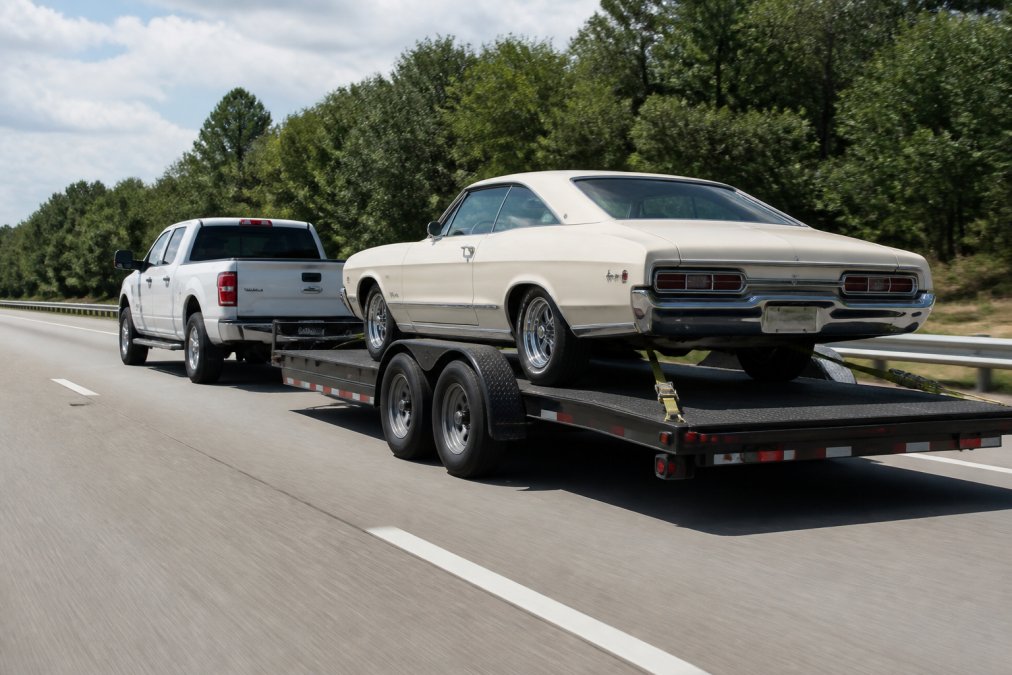
Loading the vehicle onto the hauler requires attention to weight distribution. Position the heaviest part of the vehicle slightly forward of the trailer axle to maintain proper tongue weight, which should be roughly 10 to 15 percent of the total trailer weight. Secure the vehicle with four straps rated for its weight, using the frame or designated tie-down points rather than the suspension or body panels.
On the road, increase your following distance and reduce your speed, particularly in crosswinds and when passing large trucks. Sudden braking with a loaded trailer can cause jackknifing, so brake earlier and smoother than you would without a load. Check the straps and tire pressure at every stop.
Which TrailerRentalNearMe Alternative Should You Pick?
The best trailerrentalnearme alternative depends on your specific hauling needs. For a one-time local move where you need a trailer today, U-Haul's network is hard to beat for convenience. For hauling construction debris on a weekend project, The Home Depot's hourly rental pairs well with a trip for materials. For a long-distance move with a personal vehicle, Budget Truck Rental's bundled packages offer value.
For automotive enthusiasts, mechanics, and small business owners who need a dependable car hauler on a regular basis, a local specialist is a strong choice. 402 car hauler rentals provides reliable trailer rentals with flexible booking terms, which matters when your project car restoration does not follow a fixed timeline or you need to guarantee availability for an upcoming car show. Their local presence means you can inspect the equipment before you book and get answers about your tow vehicle's compatibility.
National chains solve the availability problem. Local providers solve the compatibility and service problem. For hauling project cars, race vehicles, and customer vehicles where equipment condition and flexible terms are non-negotiable, the local option wins.
Choosing between national chains and a local trailerrentalnearme alternative comes down to whether you prioritize convenience or certainty. National chains offer ubiquity, while local providers like 402 car hauler rentals offer flexible terms, competitive rates, and equipment suited to vehicle transport. If you need a car hauler for your next project or race weekend, check the available trailer sizes and booking options at 402 car hauler rentals and secure your rental dates in advance.
Frequently Asked Questions
Where can I rent a trailer other than U-Haul?
Besides U-Haul, you can rent trailers from The Home Depot, Budget Truck Rental, and specialized local providers like 402 car hauler rentals in Omaha. Local providers often offer more flexible terms and better-maintained equipment for specific needs like car hauling. Compare availability, pricing, and equipment condition before booking. Check whether the provider includes straps, winches, and spare tires in the rental price.
What are the car hauler rental requirements I need to meet?
Typical car hauler rental requirements include a valid driver's license, a minimum age (usually 18 or 21), and a towing vehicle with sufficient capacity. The rental company will verify your vehicle's towing capacity, hitch class, and wiring harness. You may need to show proof of insurance. Always call ahead to confirm what they accept.
How do I know if my truck can tow a car hauler?
Check your owner's manual for the maximum towing capacity and the gross vehicle weight rating (GVWR). Add the weight of the trailer, your car, and any cargo. Your total must stay below the truck's rated capacity. Also confirm you have the right hitch class and a functioning wiring harness for trailer lights. If you are unsure, ask the rental provider to help you verify compatibility before booking.
Are there hidden fees to watch for when renting a trailer?
Yes. Watch for mileage fees, late return penalties, cleaning charges, and mandatory damage waivers. Some companies advertise a low daily rate but add fees for equipment like straps or spare tires. Ask for a full written quote that includes taxes and any insurance coverage. Always confirm what happens if equipment breaks during your rental.
What is the difference between a local trailer rental and a national chain?
National chains offer more locations and one-way rentals, which helps with long-distance moves. Local providers typically offer more flexible terms and personalized service. They may work with you on rental dates if your project timeline shifts.