 how-to
Guaranteeing Car Trailer Rental Availability: A 2026 Guide
Table of Contents
- Why Car Trailer Rental Availability Fails at the Worst Times
- Towing Capacity and Trailer Compatibility: What to Verify First
- Car Trailer Rental Booking Best Practices That Lock In Your Date
- Trailer Rental Reservation Confirmation: Steps to Take Before Pickup
- Trailer Inspection Checklist Before You Drive Off
- Insurance Coverage and Liability: What the Rental Agreement Actually Says
- Emergency Protocols and What to Do If Something Goes Wrong
- Frequently Asked Questions
Last Updated: September 2, 2026
Why Car Trailer Rental Availability Fails at the Worst Times
Car trailer rental availability feels guaranteed until it isn't. You've got a car show on Saturday or a race weekend locked in, and the trailer you counted on is already gone.
At 402 Car Hauler Rentals, we've seen this scenario play out repeatedly. The problem isn't bad luck, it's predictable: booking too late, assuming inventory is always available, or failing to confirm before pickup.
Peak season weekends, spring car shows, summer race circuits, and fall auction hauls compress demand into narrow windows. A single large regional event can wipe out every available trailer within 50 miles. Inventory doesn't scale on short notice, and other providers work the same calendar.
This guide walks through the essential steps: verifying your vehicle's towing capacity, locking in a reservation, confirming before pickup, inspecting the trailer, understanding insurance exposure, and knowing what to do if something goes wrong on the road.
Towing Capacity and Trailer Compatibility: What to Verify First
Most people skip this step. That's the single most common reason a rental falls apart, the tow vehicle isn't rated for the load, or the hitch doesn't match the trailer's coupler.
Get this right before you book anything.
How to Find Your Vehicle's Gross Vehicle Weight Rating
Your vehicle's gross vehicle weight rating is the maximum total weight it can safely carry and tow, as specified by the manufacturer. It is not the same as curb weight.
The most reliable sources for your GVWR:
- The sticker on the driver's side door jamb (usually lists GVWR, GAWR front, and GAWR rear)
- Your owner's manual, under towing specifications
- The manufacturer's official towing guide for your specific year, make, model, and engine configuration
One critical nuance: the towing capacity listed in your owner's manual often assumes factory configuration. Modifications, lifted suspensions, aftermarket hitches, or engine swaps can change the real-world rating. According to NHTSA towing safety guidelines, exceeding your vehicle's rated towing capacity is a leading factor in trailer-related accidents. Know your number before you commit to a trailer size.
Matching Hitch Compatibility to Trailer Type
Hitch classes run from Class I through Class V, each rated for different tongue weight and gross trailer weight. A utility trailer or open car hauler typically requires a Class III or Class IV hitch. Enclosed trailers and heavier car carriers often need Class IV or Class V.
Beyond hitch class, verify:
- Ball size: Most car haulers use a 2-inch or 2-5/16-inch ball. Using the wrong size is a safety failure.
- Receiver size: 2-inch receivers are standard on Class III and above.
- Trailer wiring connector: 4-pin flat connectors are common on lighter trailers; 7-pin round connectors are standard on heavier car carriers with electric brakes.
If your tow vehicle is modified, bring documentation. Rental providers have a legitimate reason to ask.
Car Trailer Rental Booking Best Practices That Lock In Your Date
Booking a car trailer rental isn't just clicking "reserve" and moving on. The difference between a confirmed trailer and a disappointed phone call on Friday afternoon comes down to how you handle the booking process.
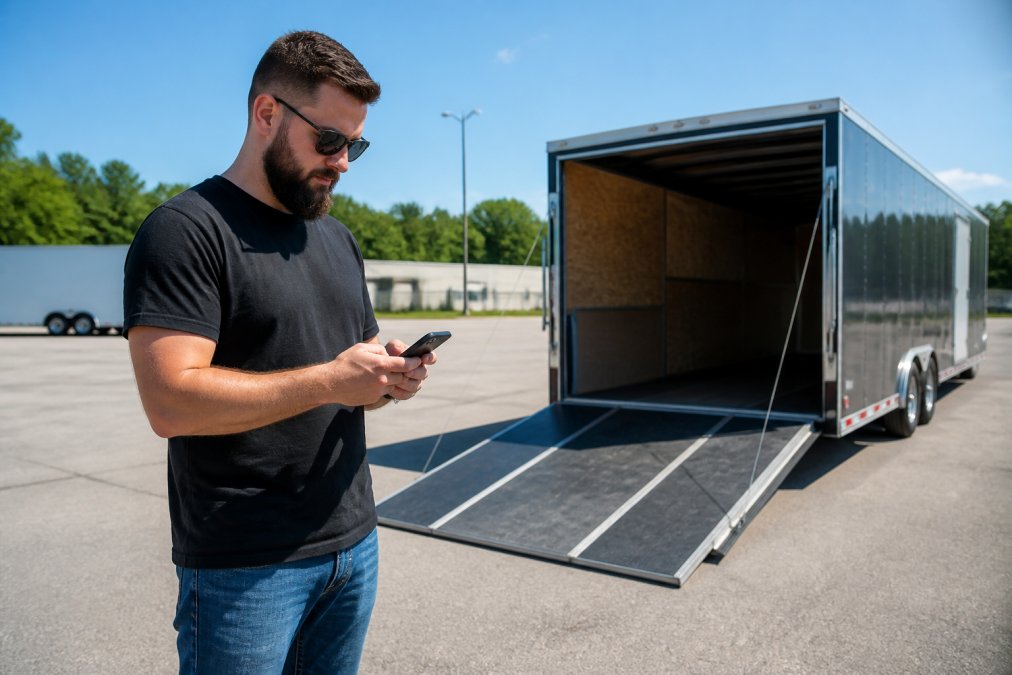
Treat your trailer reservation the same way you'd treat a hotel room for a major event. Availability doesn't hold itself.
How Far in Advance to Book for Events and Shows
For major car shows, race weekends, and auction transport, book at least three to four weeks ahead. For peak-season weekends (Memorial Day through Labor Day) plus regional show circuits, six weeks is safer.
When a regional car show announces its date, every enthusiast, shop owner, and dealer in the area starts looking at the same inventory pool. Trailers that were available Monday may be gone by Wednesday.
For non-event moves, buying or selling a vehicle, relocating a project car, shop pickups, two weeks of lead time is usually sufficient. Don't count on last-minute slots during busy periods.
Flexible vs. Fixed Rental Terms: Choosing the Right Option
Fixed daily rates work well when your timeline is certain. If you know you need the trailer Saturday through Monday, a fixed term gives you a clean number and clear return deadline.
Flexible terms make more sense for project-based work. Restoration timelines slip. Parts get delayed. A shop owner picking up a customer vehicle doesn't always know exactly when the car will be ready to return. Flexible rental terms accommodate that reality without penalizing you for circumstances outside your control.
At 402 Car Hauler Rentals, flexible booking terms are a core part of the service. Confirm what flexibility looks like in practice: ask whether you can extend day-by-day, what the extension rate is, and how much notice is required.
Trailer Rental Reservation Confirmation: Steps to Take Before Pickup
A booking confirmation is not the same as a guaranteed trailer.
Trailer rental reservation confirmation is the process of verifying, within 24-48 hours of pickup, that your specific trailer is staged, available, and matches what you booked. It eliminates the most frustrating outcome: arriving at the lot to find a problem.
Steps to complete before pickup day:
- Call or message the provider 24-48 hours ahead. Confirm the trailer type, load capacity, and dimensions match your booking.
- Verify pickup time and location. Especially important if the provider has multiple lots or if you're picking up outside normal business hours.
- Confirm the trailer's towing accessories are included. Safety chains, load straps, trailer wiring adapters, and wheel chocks should be accounted for before you arrive.
- Ask about the rental agreement specifics. Understand the drop-off policy, return window, and any after-hours return procedures.
- Get written confirmation. A booking confirmation number, email receipt, or text confirmation gives you a paper trail if any discrepancy arises.
The Federal Motor Carrier Safety Administration's trailer safety resources document the importance of pre-trip verification for towed vehicles, a standard that applies to rental situations just as much as commercial hauling.
Trailer Inspection Checklist Before You Drive Off
A five-minute inspection before you leave the lot is the single best investment you can make in a smooth rental experience.
Work through this checklist systematically:
- Tires: Check all trailer tires for visible damage, sidewall cracking, and inflation. A soft tire under load is a blowout waiting to happen.
- Lights: Test brake lights, turn signals, and running lights. Have someone stand behind the trailer while you operate the controls.
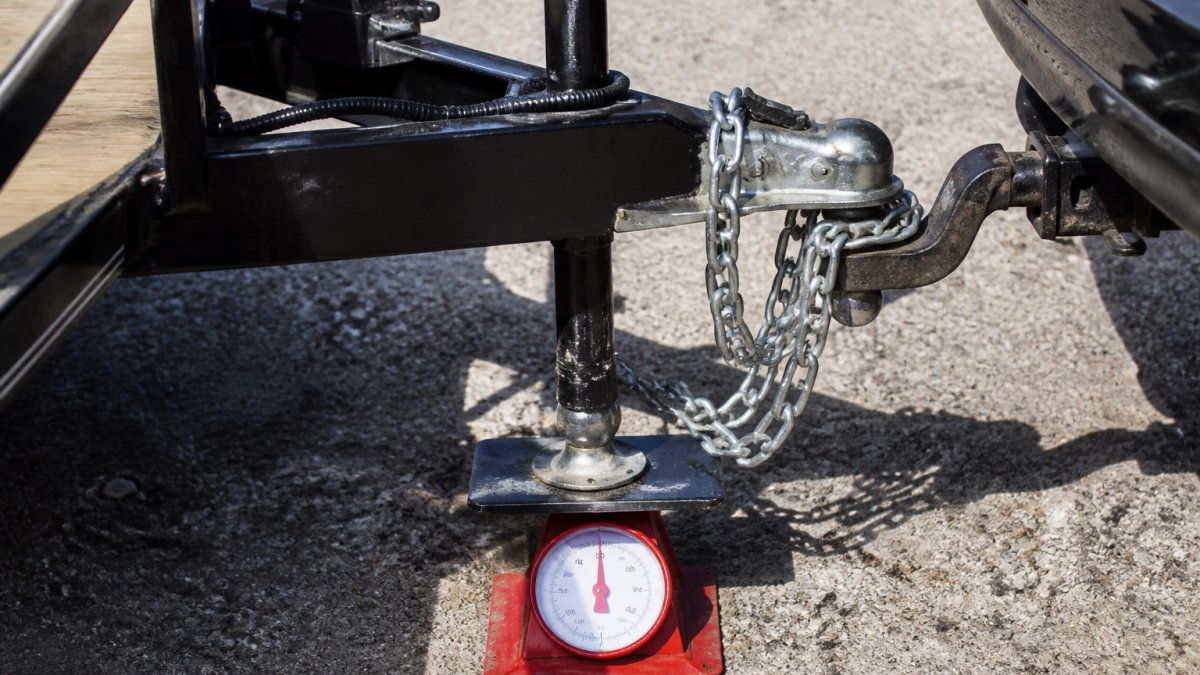
- Hitch connection: Confirm the coupler is fully seated on the ball, the locking mechanism is engaged, and the safety pin is in place.
- Safety chains: Cross-chain under the tongue, with enough slack for turns but no excess dragging on the ground.
- Load straps and tie-downs: Inspect every strap for fraying, cuts, and functioning ratchet mechanisms. Bent or damaged tie-down rails should be flagged before you load anything.
- Trailer floor: Look for soft spots, cracks, or damaged decking that could compromise load stability.
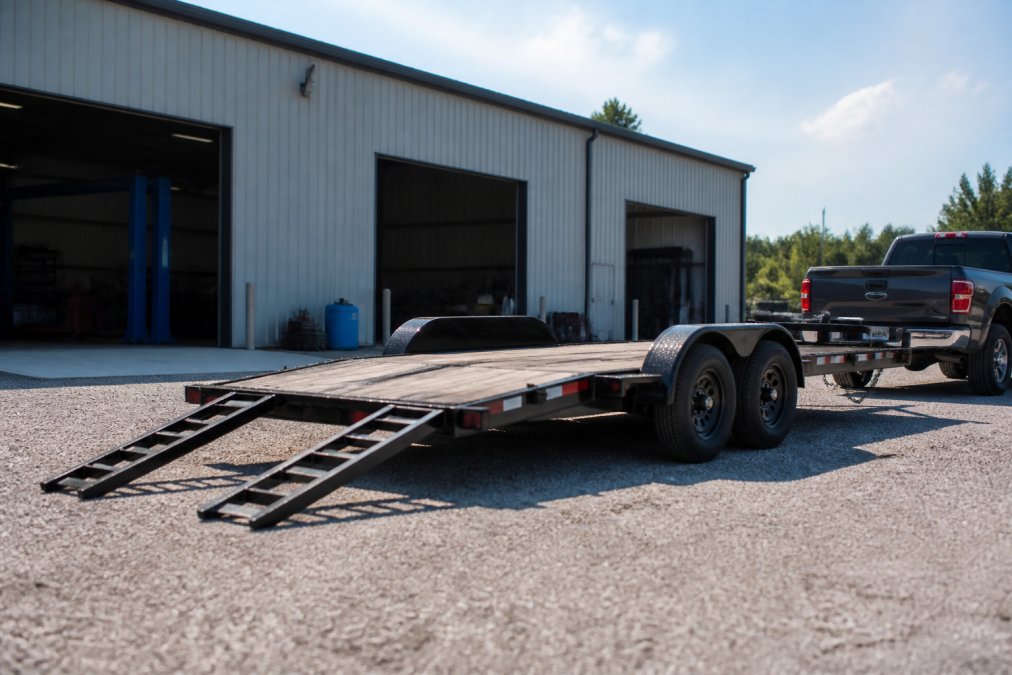
- Wheel stops and ramps: Confirm ramps are present, undamaged, and rated for your vehicle's weight.
- Trailer dimensions: Verify the trailer's load capacity and deck dimensions match what your vehicle requires.
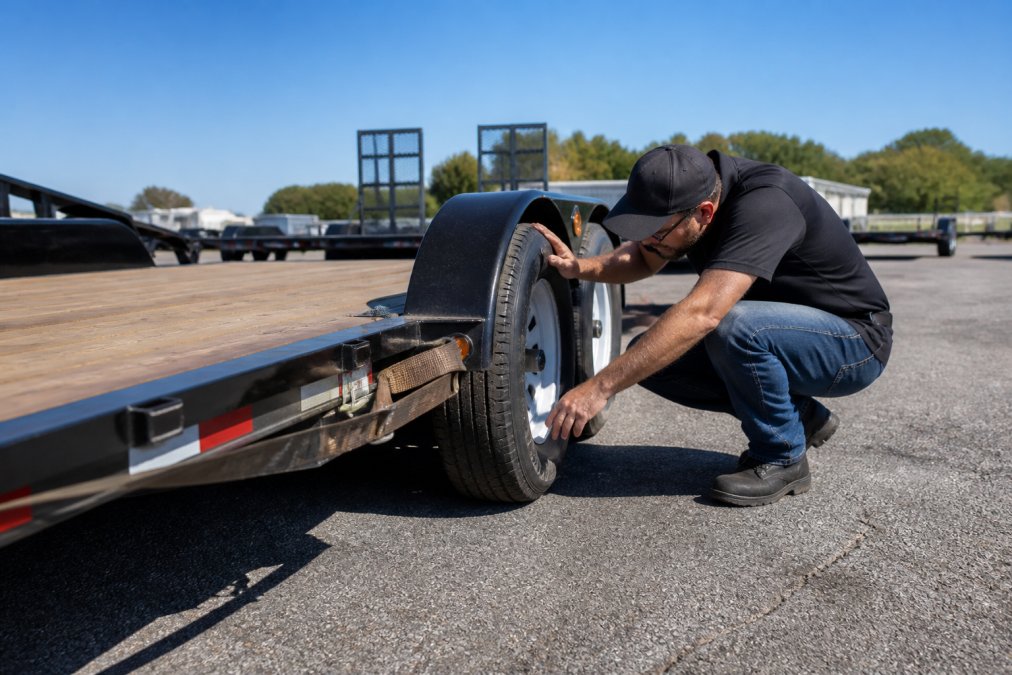
Document anything that looks wrong before you drive off. Photograph it. Report it to the rental provider immediately. A pre-existing issue you don't flag becomes your liability the moment you pull out of the lot.
Insurance Coverage and Liability: What the Rental Agreement Actually Says
The rental agreement is the document most people skim and immediately regret not reading. Insurance coverage and liability terms are where that regret usually lives.
Your personal auto insurance may or may not extend to a rented trailer. Many policies cover liability for trailers you're towing, but coverage for damage to the trailer itself is often excluded or limited. Check your policy before assuming you're covered.
The rental provider's liability terms define what you're responsible for if the trailer is damaged during your rental period. This typically includes collision damage, tire damage from road hazards, and damage caused by improper loading.
Cargo insurance is a separate question. Your vehicle on the trailer is cargo. Standard trailer rental agreements do not insure the vehicle being transported, that's your responsibility through your own auto policy or a standalone transport policy.
According to Insurance Information Institute guidance on auto and trailer coverage, many drivers are surprised to find that their standard auto policy has significant gaps when it comes to towed cargo and rented equipment.
Ask the rental provider directly:
- What damage is covered under the rental agreement?
- What am I liable for if the trailer is damaged?
- Does your operation carry any liability coverage that protects me as the renter?
Get the answers in writing.
Emergency Protocols and What to Do If Something Goes Wrong
Even a well-maintained trailer on a well-prepared tow vehicle can encounter problems on the road. Knowing the protocol before something happens is the difference between a manageable situation and a dangerous one.
Trailer sway is the most common emergency situation. If the trailer begins to sway, do not brake hard. Ease off the accelerator gradually, hold the steering wheel straight, and allow the vehicle to slow naturally. Once you're stable, pull off the road and identify the cause, typically improper load distribution, speed, or crosswind conditions.
Tire blowout on the trailer: Grip the wheel firmly, ease off the gas, and steer straight. Do not overcorrect. Pull off the road safely. Most car hauler trailers do not have a spare included in the rental, confirm this before pickup and carry your own if the route is remote.
Mechanical failure with the trailer: Contact the rental provider immediately. Have the rental agreement and your booking confirmation accessible. Know the provider's after-hours contact number before you leave the lot.
For general roadside emergencies, the AAA roadside assistance towing and trailer guidelines outline what standard roadside services cover for trailer situations. Many standard roadside plans do not cover the towed trailer itself, only the tow vehicle.
Before any trip:
- Save the rental provider's phone number in your contacts
- Note the trailer's ID number and your rental agreement number
- Know the nearest service exit for your route
- Carry basic tools: a tire pressure gauge, wheel chocks, and a flashlight
| Step | Action | When to Do It |
|---|---|---|
| Verify towing capacity | Check GVWR and hitch class against trailer specs | Before booking |
| Book the trailer | Reserve specific trailer type and dates | 3-6 weeks ahead for events |
| Confirm reservation | Call provider, verify trailer details | 24-48 hours before pickup |
| Inspect the trailer | Work through full checklist at the lot | At pickup, before driving off |
| Review rental agreement | Read liability and insurance terms | Before signing |
| Prepare for emergencies | Save contacts, note trailer ID, plan route | Night before the trip |
Securing a car trailer rental when you actually need it comes down to preparation at every stage. Verify your tow vehicle's capacity before you book, lock in your reservation early, confirm 24-48 hours ahead, and inspect the trailer before you accept it.
402 Car Hauler Rentals offers flexible booking terms and reliable trailers suited for everything from project car moves to race vehicle transport. If your timeline is uncertain or your hauling needs are specific, reach out directly to discuss what works for your situation. Don't leave your next transport job to chance.
Frequently Asked Questions
How far in advance should I book a car trailer to guarantee availability?
For weekend car shows, races, or peak moving season, booking at least two to three weeks ahead gives you the best chance of securing the trailer type you need. Last-minute requests, especially for enclosed trailers or car carriers, frequently run into empty inventory. If your event date is fixed, book as soon as you know it. Providers with real-time availability tools let you confirm a specific unit, not just a category, which is the closest thing to a true reservation guarantee.
What steps can I take to ensure my car trailer reservation is honored?
Get written booking confirmation with a specific trailer unit or trailer type listed, not just a general availability note. Follow up with a phone call 48 hours before pickup to reconfirm. Ask whether the provider has a reservation guarantee policy and what they offer if the unit is unavailable when you arrive. Paying a deposit rather than booking for free also signals commitment and typically moves your reservation to a firmer status with most providers.
Does my personal auto insurance cover a rented trailer?
Many personal auto insurance policies extend liability coverage to a rented trailer while it is attached to your vehicle, but physical damage coverage for the trailer itself is often excluded. Check your policy's declarations page or call your insurer before pickup. Some credit cards also offer limited rental equipment protection. Read the rental agreement carefully, it will specify what damage you are responsible for and whether the provider offers optional liability insurance or a damage waiver to fill any gaps.
How do I verify my truck can actually tow the trailer I'm renting?
Start with your vehicle's owner's manual or the door jamb sticker, which lists the maximum tow rating and gross vehicle weight rating (GVWR). The trailer's load capacity plus the weight of the vehicle you're hauling must fall below that number. Also confirm your hitch class matches the trailer's coupler size, a Class III hitch handles up to 8,000 lbs, while heavier car carriers may need a Class IV or V. When in doubt, call the rental provider before booking so they can match you to a compatible trailer.