 blog
TrailerLNK vs Avery Rents: 2026 Car Hauler Comparison
Table of Contents
- TrailerLNK vs Avery Rents: Platform Overview
- Car Hauler Rental Rates: Daily, Weekly, and Hidden Fees
- Trailer Rental Requirements: What You Need Before Booking
- Short-Term vs Long-Term Trailer Rental: Which Fits Your Timeline
- Total Cost of Ownership: Renting vs Buying a Car hauler
- Real-World User Experience: What Renters Actually Report
- Which Platform Is Right for Your Hauling Needs?
- Frequently Asked Questions
Last Updated: September 28, 2026
TrailerLNK vs Avery Rents: Platform Overview
Choosing between TrailerLNK and Avery Rents is really a choice between two models of trailer rental, and the trailer rental comparison starts with how each platform actually works. TrailerLNK is a peer-to-peer marketplace where individual owners list their trailers for rent. Avery Rents is a commercial rental operation with a managed fleet. That difference shapes everything else: pricing, availability, inspection standards, and who answers the phone when a strap snaps.
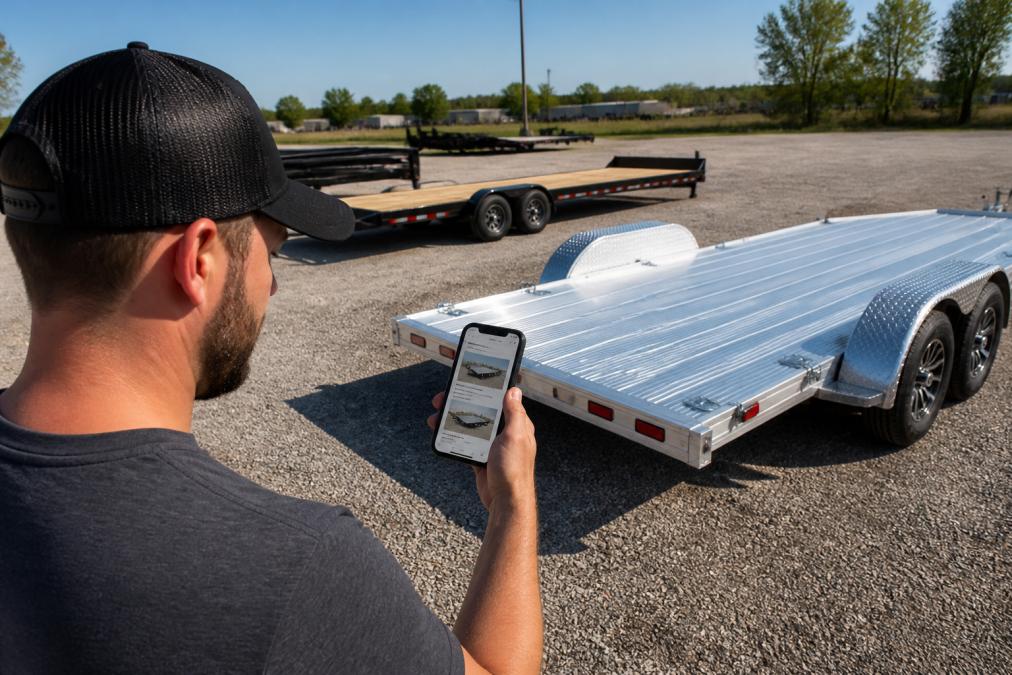
This guide explains what matters most when you need a car hauler for a project car, a race weekend, or a customer vehicle.
How TrailerLNK Works
TrailerLNK operates as a peer-to-peer marketplace. Owners post their trailers, set daily rates, and renters book directly through the platform. You browse listings, check photos and specs, and arrange pickup with the individual owner.
How Avery Rents Works
Avery Rents runs a commercial fleet with centralized booking. You reserve a specific trailer type, sign a rental agreement, and pick up from a staffed location. Every unit in the fleet follows the same maintenance schedule.
Car Hauler Rental Rates: Daily, Weekly, and Hidden Fees
Car hauler rental rates vary by platform, trailer type, and rental duration, and the advertised daily number is rarely the final bill. The gap most renters fall into is comparing headline rates across platforms that bundle different things. A peer-to-peer listing at a lower daily rate can end up costing more than a commercial rate once fees, deposit holds, and mileage are added.
| Cost Factor | Peer-to-Peer (TrailerLNK) | Commercial (Avery Rents) |
|---|---|---|
| Base daily rate | Lower advertised rate | Higher, more inclusive |
| Weekly rate | Often negotiated per owner; not always published | Usually published with a discount off the daily rate |
| Service / booking fee | Added at checkout, varies by listing | Usually built into the quoted rate |
| Security deposit | Common, varies by owner; may be a hold or a charge | Standard, refundable, returned after inspection |
| Mileage limits | Frequently capped, overage billed per mile | Typically capped, overage billed per mile |
| Cleaning charges | Owner discretion; often only if returned dirty | Standard policy; spelled out in the agreement |
| Insurance / damage waiver | May be required by the owner or platform | May be offered as an add-on or required |
| Late return fee | Owner discretion | Standard, often hourly then daily |
What Actually Drives the Final Bill
Four line items cause most of the gap between the quote and the invoice:
- Deposit holds. A deposit is not a fee, but it ties up funds. On a peer-to-peer rental the hold may sit on your card for days after return while the owner inspects the trailer. Commercial deposits are usually released on a published timeline.
- Mileage overage. A capped mileage allowance sounds generous until you factor in a round trip to a distant track or a one-way move. Ask what the per-mile overage is, not just the cap.
- Cleaning. Mud, tire marks, and spilled fluids are the usual triggers. A commercial policy is predictable; an owner's discretion is not.
- Insurance or damage waiver. Whether towing liability is covered by your auto policy, the platform, or a purchased waiver changes the total more than a daily-rate difference usually does.
How to Compare Two Quotes
Ask each provider for the same four numbers, in writing:
- The total for your exact rental window, including all fees.
- The mileage allowance and the per-mile overage rate.
- The deposit amount and when it is released.
- Whether insurance or a damage waiver is required, and what it covers.
Trailer Rental Requirements: What You Need Before Booking
Trailer rental requirements come down to three things: a capable tow vehicle, the right hitch setup, and proof of insurance. Miss any one of them and you'll be turned away at pickup, sometimes after paying a deposit. The technical part is where most renters get tripped up, so it is worth working through before you book rather than at the counter.
- Valid driver's license and proof of insurance
- Tow vehicle with adequate towing capacity
- Correct hitch and ball size for the coupler
- Working trailer wiring for lights and brakes
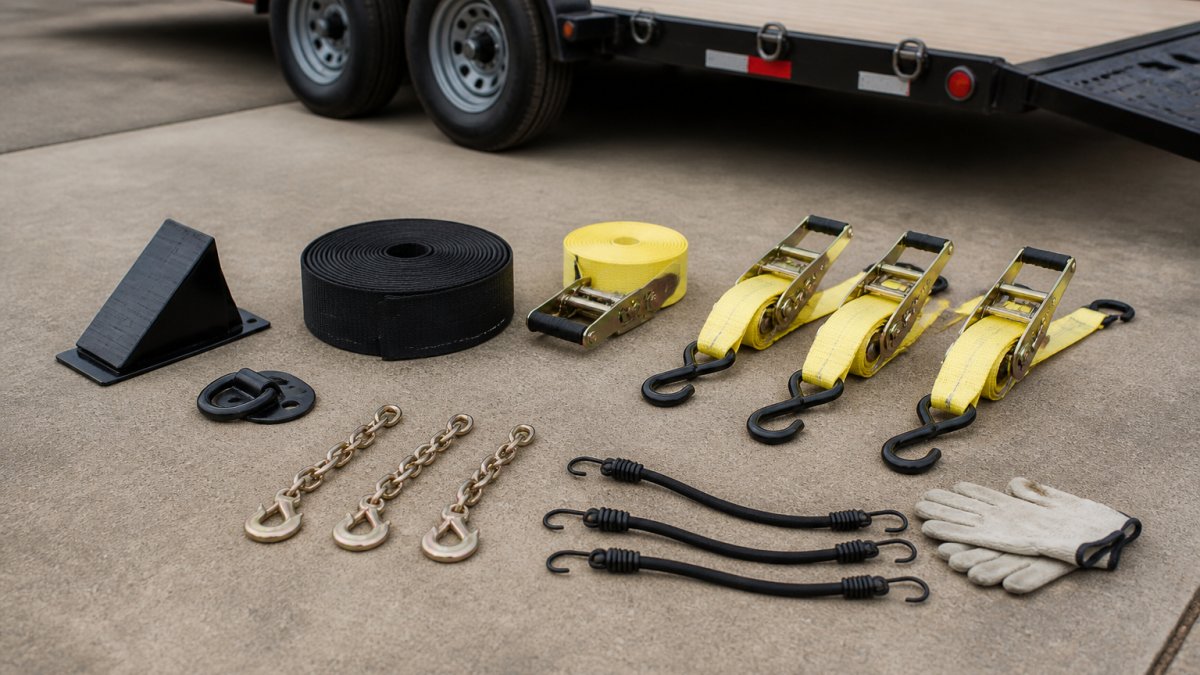
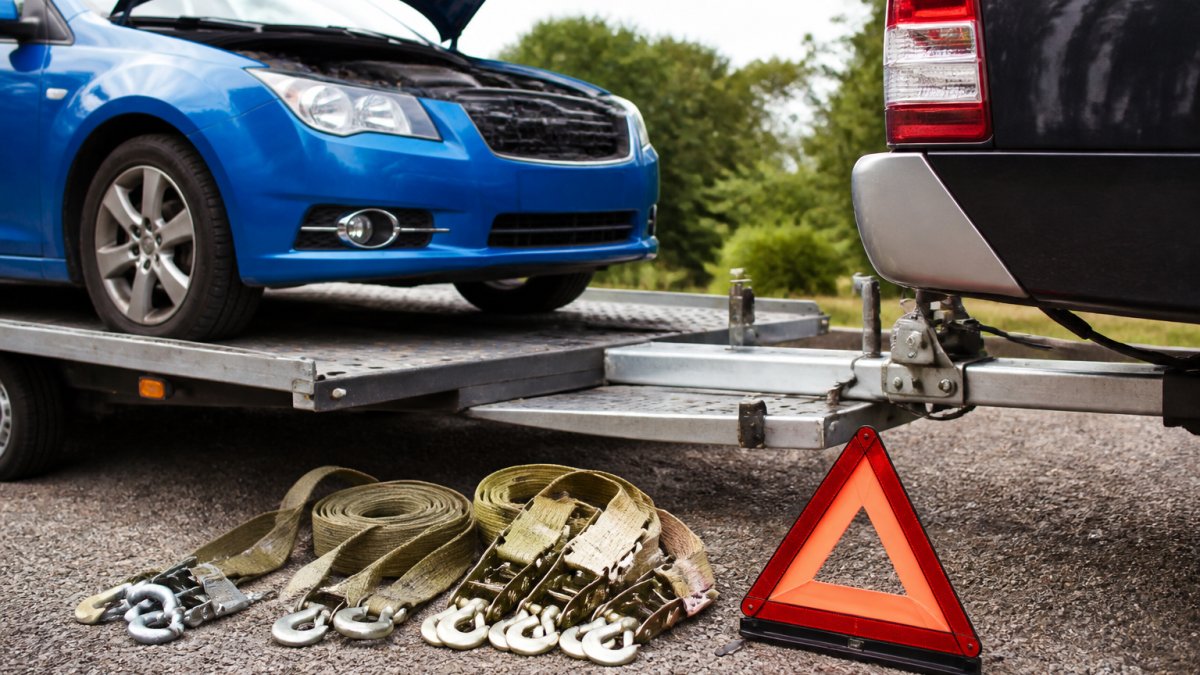
- Tie-down equipment: straps, chains, or wheel baskets
The Compatibility Checklist Most Renters Skip
Before you reserve anything, run your tow vehicle against the trailer you plan to rent using the numbers on the door jamb and the trailer's data plate. The four figures that matter:
- Gross vehicle weight rating (GVWR) of the trailer, the maximum the trailer plus its load is allowed to weigh.
- Curb weight of the trailer, what it weighs empty.
- Payload, GVWR minus curb weight. This is the weight of the vehicle you can actually load.
- Your tow vehicle's ratings, gross trailer weight rating (GTWR) and tongue weight rating, both listed in the owner's manual and often on the driver's door jamb.
Hitch Class, Ball Size, and Tongue Weight
- Hitch class. Class III and Class IV hitches are the common range for car haulers. A Class I or II hitch is not rated for this kind of load.
- Ball size. Car haulers typically use a 2-inch or 2-5/16-inch coupler. They are not interchangeable, and the wrong ball will not seat safely.
- Tongue weight. A loaded car hauler puts significant weight on the hitch. If tongue weight approaches or exceeds your vehicle's rating, a weight-distribution hitch may be required.
If you tow for a business rather than personally, equipment and inspection rules can apply differently. The Federal Motor Carrier Safety Administration's guidance on trailer safety is a reasonable starting point for commercial towing questions.
Short-Term vs Long-Term Trailer Rental: Which Fits Your Timeline
Short-term trailer rental suits a single event: a car show, a track day, or a one-way vehicle move. You book for a day or a weekend and return the trailer when the job is done. Long-term rental makes more sense for ongoing projects, like a restoration that stretches across weeks or a shop that moves customer vehicles regularly.
Total Cost of Ownership: Renting vs Buying a Car hauler
Renting beats buying for most people who tow occasionally, and the math is not close. A purchase price is only the beginning. Ownership adds registration, insurance, storage, tires, bearings, brakes, and periodic maintenance. Those costs accrue whether you tow once a year or once a week.
Real-World User Experience: What Renters Actually Report
Renter experience splits along the same line as the platforms themselves. Peer-to-peer renters report wide swings: some get a well-kept trailer and a helpful owner, others arrive to find worn straps, bent tire stops, or a trailer that was double-booked. Commercial renters report more consistency but less flexibility, especially around modified tow vehicles and custom timelines.
Which Platform Is Right for Your Hauling Needs?
For most renters hauling a car a few times a year, a managed, local rental with clear terms beats a marketplace listing every time. You get inspected equipment, a written agreement, and someone accountable when something goes wrong.
Frequently Asked Questions
What factors should I consider when choosing between local trailer rental companies?
Focus on four things: the total daily rate including insurance and mileage limits, the trailer's GVWR and hitch requirements for your tow vehicle, the security deposit and cancellation policy, and whether maintenance records are available. For car hauling specifically, confirm the trailer has proper tie-down equipment and that the rental agreement covers long-distance towing if needed. Reading user reviews about hidden fees and equipment condition saves surprises at pickup.
Does Avery Rents offer specialized trailers for car hauling?
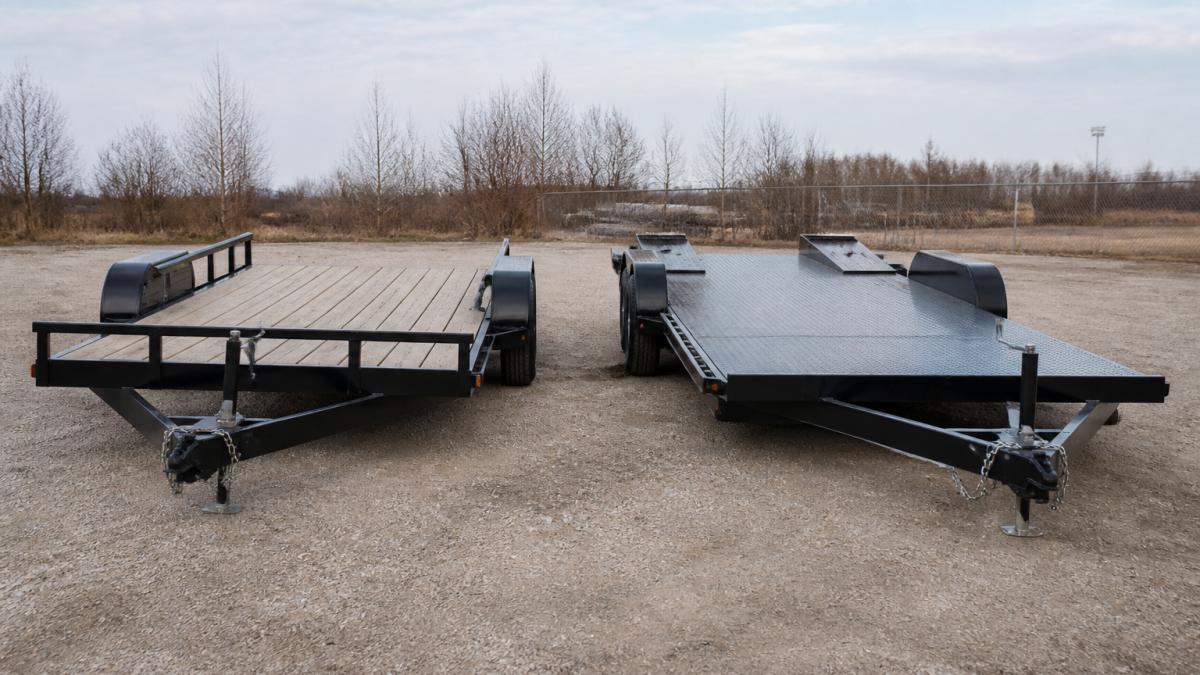
Avery Rents primarily lists general equipment and utility trailers through its peer-to-peer marketplace. Availability of enclosed car haulers or aluminum flatbed trailers varies by individual owner listings in your area. Before booking, verify the trailer type, load capacity, and whether tie-down straps and wheel chocks are included. If you need a dedicated car hauler with guaranteed specs, a commercial rental company that specializes in vehicle transport may be more reliable.
How does the booking process differ between TrailerLNK and Avery Rents?
TrailerLNK operates as a peer-to-peer marketplace where you browse individual owner listings, message the owner, and arrange pickup directly. Avery Rents follows a similar peer-to-peer model with its own checkout process and rental agreement. Both platforms vary in how quickly owners respond and whether instant booking is available. Commercial rental companies typically offer fixed inventory, immediate confirmation, and standardized trailer rental requirements, which reduces uncertainty for time-sensitive hauls.
What are the typical rental duration options for car haulers?
Most car hauler rentals offer daily rates with discounts for weekly or monthly bookings. Short-term rentals of one to three days suit local vehicle moves or single-event transport. Long-term rentals of a week or more make sense for restoration projects, multi-event race seasons, or business use where the trailer stays in service. Ask about drop-off flexibility and whether mileage limits apply, since exceeding them adds cost.
Hauling a car should not mean gambling on equipment quality or bracing for a surprise bill. 402 car hauler rentals offers reliable trailer rentals, flexible terms, and competitive rates for hobbyists and shops alike, with dependable car haulers suited to everything from project cars to race vehicles. Get started with 402 car hauler rentals and book a trailer that is inspected, ready, and priced without surprises.