 how-to
Liability for Damaged Rental Equipment: What to Know
Table of Contents
- How Liability for Damaged Rental Equipment Actually Works
- Rental Contract Liability Clauses You Should Read Before Signing
- Equipment Rental Damage Waiver Explained: What It Covers and What It Doesn't
- How to Document Pre-Existing Equipment Damage Before You Tow
- Steps to Take After Damaging Rental Equipment
- Insurance, Deductibles, and Who Pays What
- Disputing a Damage Charge: Your Resolution Options
- Frequently Asked Questions
Last Updated: September 26, 2026
How Liability for Damaged Rental Equipment Actually Works
Liability for damaged rental equipment is the legal and financial responsibility a renter carries when a rented item is returned damaged beyond normal use. It comes down to one question: was the damage your fault, or was it already there?
Negligence vs. Normal Wear and Tear
Negligence is failing to use reasonable care with rented equipment. Normal wear and tear is the gradual decline from ordinary use. The line between them decides your bill.
Here's the difference in plain terms:
| Type | Example | Who Pays |
|---|---|---|
| Normal wear and tear | Worn tire tread after years of use | Rental company |
| Negligence | Bent axle from overloading | Renter |
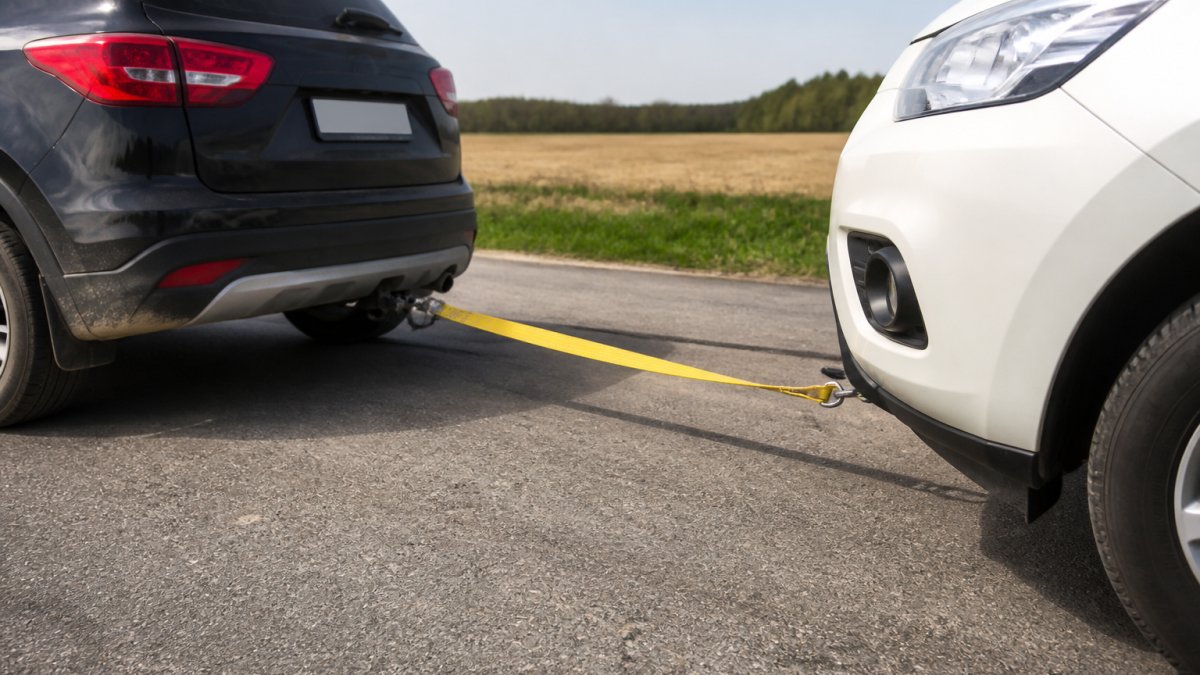
| Misuse | Broken strap from towing too heavy a load | Renter |
| Theft or vandalism | Trailer stolen from a lot | Depends on contract |
Rental Contract Liability Clauses You Should Read Before Signing
Liability clauses are the parts of a rental agreement that shift financial responsibility to you. Most renters skim them. That's a costly habit.
Look for these four clauses every time:
- Indemnification - you agree to cover the company's losses
- Loss damage waiver - an optional fee that limits your exposure
- Duty of care - your legal obligation to protect the equipment
- Breach of contract - what happens if you break the terms
Equipment Rental Damage Waiver Explained: What It Covers and What It Doesn't
An equipment rental damage waiver, often labeled a Loss Damage Waiver (LDW) or Damage Waiver (DW), is an optional add-on that limits what you owe if the rented equipment is damaged. It is not insurance. It is a contractual shift of risk from you to the rental company, and the two are regulated differently.
What a Typical Damage Waiver Covers
- Accidental damage from ordinary use (dents, scratches, cracked lenses, torn upholstery)
- Tire and wheel damage from road hazards
- Some theft protection, usually only when the theft is reported to police and the renter cooperates with the investigation
- Towing or recovery costs in some contracts, but rarely all of them
What a Typical Damage Waiver Excludes
- Damage from misuse, negligence, or operation outside the permitted use
- Damage from off-road, racing, or prohibited use
- Theft when keys were left in the ignition, the equipment was unlocked, or the renter cannot produce a police report
- Damage to third-party property or personal injury, the waiver protects the equipment, not people
- Damage that occurred while the renter was intoxicated or operating illegally
- Loss of use, downtime, or diminished value in many contracts
The Cost Math Renters Usually Get Wrong
A damage waiver typically runs a percentage of the rental rate per day, and the percentage varies by equipment class. On a short rental, the waiver is often cheaper than the deductible on the renter's own policy. On a long rental, the cumulative waiver cost can exceed the deductible, which is when declining it and relying on your own coverage can make sense, provided your policy actually extends to the rented equipment.
State Regulation of Damage Waivers
Damage waivers are not uniformly regulated. Some states require rental companies to disclose that a waiver is optional and not insurance; others cap how the waiver can be marketed. The Federal Trade Commission's guidance on unfair or deceptive practices is relevant when a rental company implies a waiver is mandatory or describes it as insurance. If a counter agent tells you the waiver is required, ask for that requirement in writing, it usually is not.
How to Document Pre-Existing Equipment Damage Before You Tow
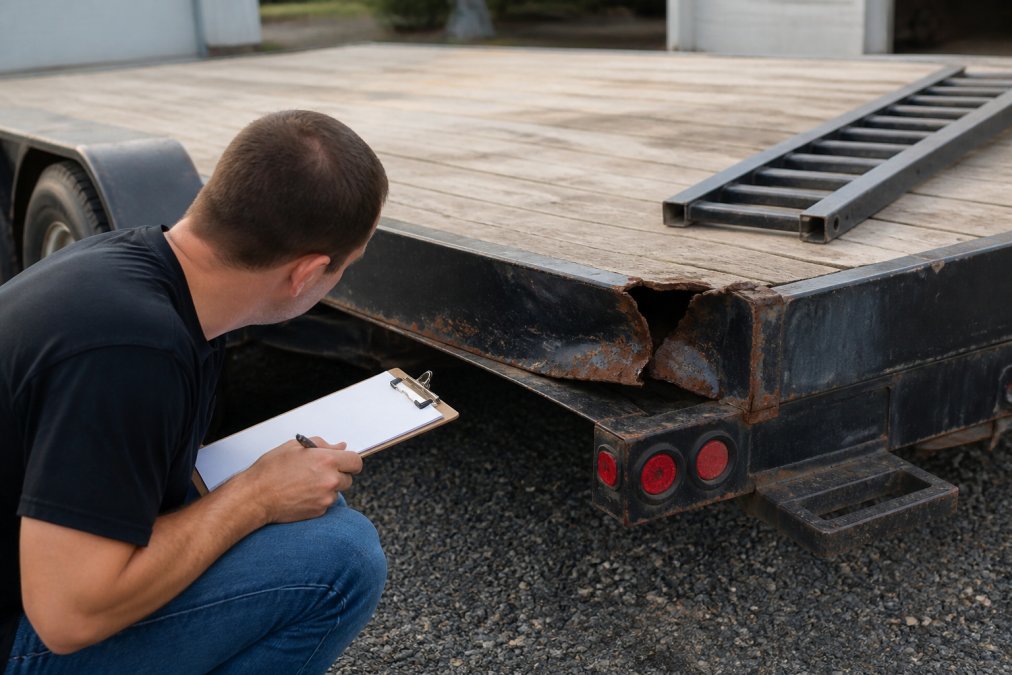
Documenting pre-existing damage is the single best way to avoid paying for someone else's problem. It takes ten minutes. It can save you hundreds.
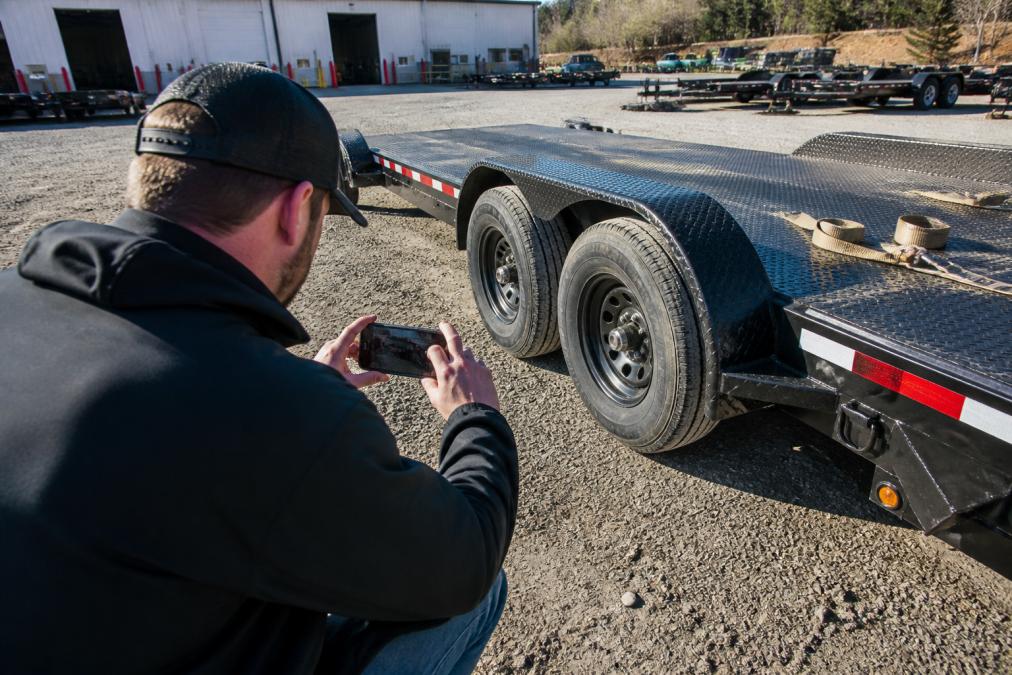
Use this checklist every time:
- Photograph all four tires and the spare
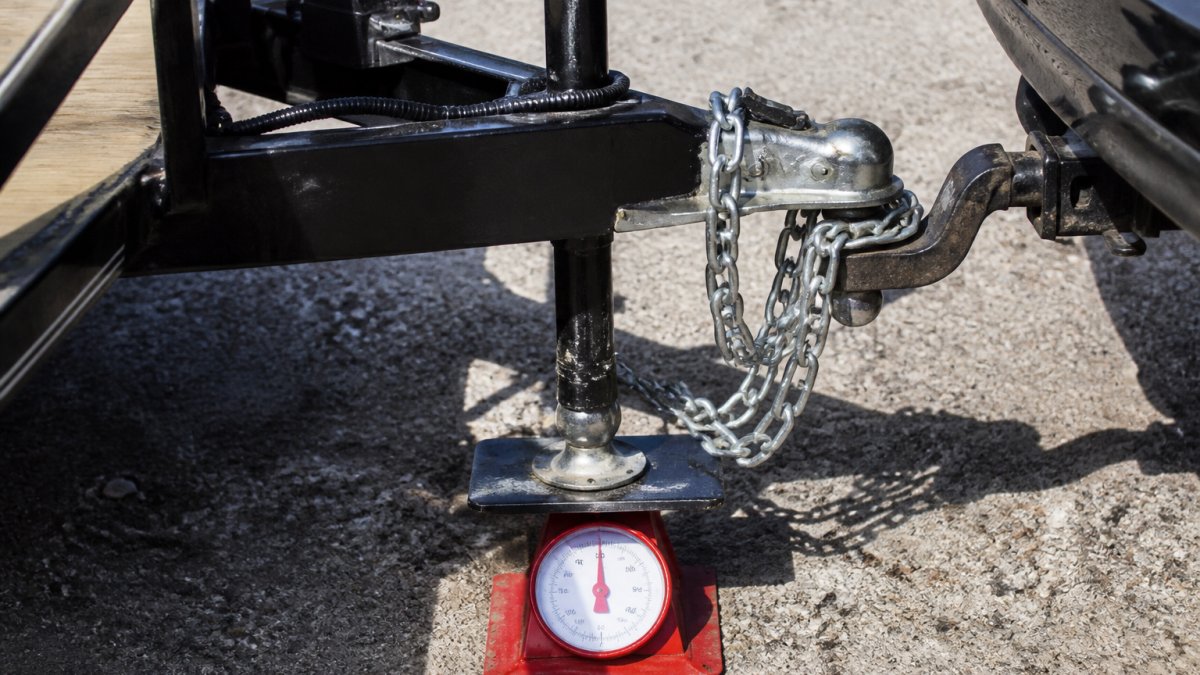
- Snap the hitch, coupler, and safety chains
- Shoot the ramps, straps, and tie-down points
- Film a slow walkaround video with a timestamp
- Note any rust, dents, or bent parts in writing
- Get a signed condition report from the rental agent
Steps to Take After Damaging Rental Equipment
What you do in the first hour after damage decides how the claim goes. Stay calm. Follow these steps in order, and put as much as you can in writing.
- Stop and secure the scene. Get off the road. Turn on hazards. Make sure no one is hurt. If anyone is injured, call 911 before anything else.
- Call the rental company immediately. Report the damage before you move the equipment. Most contracts require prompt notice, and delay is the single most common reason a claim gets denied or escalated.
- Photograph everything. Wide shots, close-ups, the surrounding area, and any other vehicle or property involved. Include a shot that shows the time and location if your phone supports it.
- File an incident report. Write down what happened, when, where, the weather, the road or site conditions, and who else was present. If police respond, get the report number.
- Do not repair it yourself. Unauthorized repairs can void your coverage and give the rental company grounds to reject your account of the damage.
- Get a copy of the incident report. You'll need it if the claim is disputed. Ask for it in writing, not verbally.
- Notify your insurance carrier. Even if you think you won't file a claim. Late notice is a common basis for denial under many policies.
Written Notice: The Step Most Renters Skip
A phone call is not notice. Most rental agreements require written notice within a set window, often 24 to 72 hours, sometimes same-day for theft. Send an email to the address in the contract and keep a copy. State the date, time, location, equipment identifier, and a plain description of the damage. Do not speculate about fault in the notice; describe facts.
Equipment-Specific Nuances
The steps above are universal, but the details shift by equipment class:
- Heavy machinery (excavators, lifts, compactors): Damage often involves hydraulic systems, tracks, or booms. Photograph fluid leaks, track wear, and any warning lights. Do not operate the machine after damage, further operation can be characterized as aggravation.
- Small tools (power tools, generators, compressors): Damage is often internal and not visible. Note whether the tool was running when it failed, and preserve the tool as-is. Do not disassemble it.
- Event and party equipment (tents, staging, AV): Damage often involves fabric tears, bent frames, or water exposure. Photograph the setup site, including the ground surface and any anchors, because wind and soil conditions frequently become the disputed cause.
Tie-In to the Dispute Process
If the rental company later charges you for damage you believe was pre-existing or caused by mechanical failure, the documentation you gathered in these steps becomes your dispute file. The dispute process itself is covered in the next section, but it only works if you have the photos, the written notice, and the incident report from the first hour.
Insurance, Deductibles, and Who Pays What
Your personal auto policy may extend to a rented trailer in some cases. Your commercial insurance may cover it if you're hauling for business. Neither is guaranteed.
Here's how the money usually breaks down:
| Cost Type | Typically Covered By | Notes |
|---|---|---|
| Repair estimate | Renter's insurance or out of pocket | Rental company provides the estimate |
| Deductible | Renter | Due whether or not insurance pays |
| Replacement cost | Renter or waiver | Applies if repair isn't possible |
| Loss of use | Renter | Rental company's lost income during repair |
Disputing a Damage Charge: Your Resolution Options
You can dispute a damage charge. The process is straightforward if you have documentation.
Follow this order:
- Request an itemized repair estimate in writing
- Submit your pre-rental photos and video
- Ask for the repair invoice, not just an estimate
- Put your dispute in writing and keep a copy
- Escalate to a manager if the agent won't budge
- File a complaint with your state's consumer protection office if needed
Frequently Asked Questions
What happens when you damage rental equipment?
You are typically responsible for repair or replacement costs under the rental agreement. The exact amount depends on your contract terms, whether you purchased a damage waiver, and whether the damage resulted from negligence or normal wear. Report the damage immediately, file an incident report, and photograph everything. Your personal auto policy or a commercial general liability policy may cover part of the cost, but rental companies often require reimbursement upfront while your claim is processed.
Does general liability insurance cover rental equipment?
A commercial general liability policy may cover damage to rented equipment if the policy includes contractual liability coverage for the rental agreement you signed. Personal auto policies sometimes extend to a rented car hauler, but coverage varies by insurer and policy form. Call your agent before renting to confirm whether your existing policy covers rental equipment liability and what deductible applies. Do not assume coverage exists without written confirmation.
What is a damage waiver for equipment rental?
A damage waiver is an optional fee that shifts financial responsibility for certain types of damage away from you and back to the rental company. It is not insurance. Most waivers exclude damage from misuse, theft, vandalism, or operating the equipment while intoxicated. Read the waiver terms carefully: some cover cosmetic damage only, while others include mechanical failure not caused by negligence. The upfront fee is usually a small percentage of the rental rate.
How do I dispute a damage charge on rental equipment?
Start by requesting an itemized repair estimate and photos of the alleged damage. Compare those against your own pre-rental inspection photos and the signed condition report. If the damage matches pre-existing wear you documented, submit a written dispute referencing your evidence. Many rental companies resolve disputes at this stage. If they refuse, you can file a complaint with your state attorney general's office or pursue the matter in small claims court. Keep copies of all correspondence.
Renting a car hauler shouldn't come with a surprise bill. At 402 car hauler rentals, we hand over every trailer with a clear condition report, so you know exactly what you're towing before you leave the lot. Our flexible booking terms work around project timelines, and our trailers are maintained for the loads that matter, from project cars to race vehicles. Get started with 402 car hauler rentals and haul with confidence.