 comparison
Best TrailerLink Alternatives in Omaha: 2026 Guide
Table of Contents
- Quick Comparison: Top Trailer Rental Options in Omaha
- 402 Car Hauler Rentals: Built for Omaha Car Transport
- U-Haul: National Reach With Local Omaha Locations
- Neighbors Trailer: Peer-to-Peer Rentals for Specialty Hauls
- RVezy: Travel Trailer Rentals With Insurance Included
- BigRentals: Aggregator for Heavy-Duty Commercial Trailers
- Car Hauler Rental Rates: What Drives the Price
- Enclosed vs Open Trailer Rentals: Which Protects Your Vehicle Better?
- Frequently Asked Questions
Last Updated: September 13, 2026
Quick Comparison: Top Trailer Rental Options in Omaha
Finding the best trailerlink alternatives in Omaha starts with knowing what each provider actually does well. TrailerLink's peer-to-peer model works for some haulers, but it leaves gaps in availability, maintenance verification, and specialty equipment. This guide from 402 car hauler rentals breaks down five real alternatives, what they cost, and which one fits your haul.
The options below cover everything from national chains to local specialists. Rates range from budget-friendly daily rentals to premium insured setups, and each provider handles a different type of job. Here is how they stack up side by side.
| Provider | Best For | Trailer Types | Pricing Model | Insurance |
|---|---|---|---|---|
| 402 car hauler rentals | Car hauling, project and race cars | Car haulers, enclosed | Flexible daily/weekly | Ask on booking |
| U-Haul | Standard moves, short hauls | Utility, cargo, car hauler | Daily fee | Optional add-on |
| Neighbors Trailer | Specialty equipment | Dump, car hauler | Daily/weekly | Varies by owner |
| RVezy | Recreational travel | Travel trailers, RVs | Daily fee | Included |
| BigRentals | Commercial, heavy-duty | Flatbed, enclosed, utility | Varies by partner | Varies by partner |
The list below explains what separates each option, where they fall short, and who should book what.
402 Car Hauler Rentals: Built for Omaha Car Transport
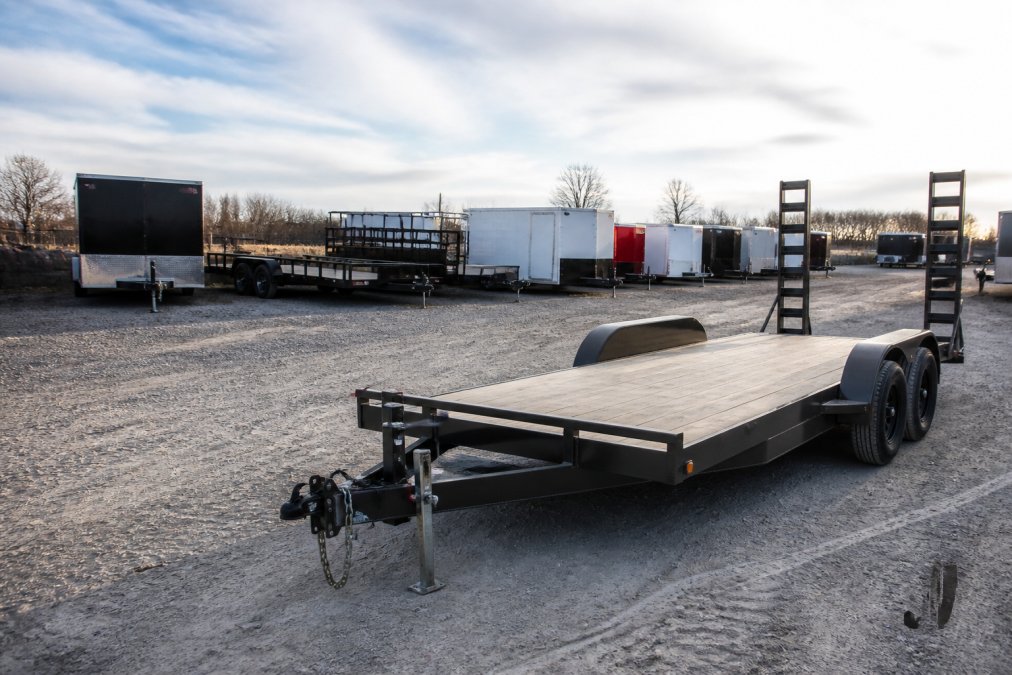
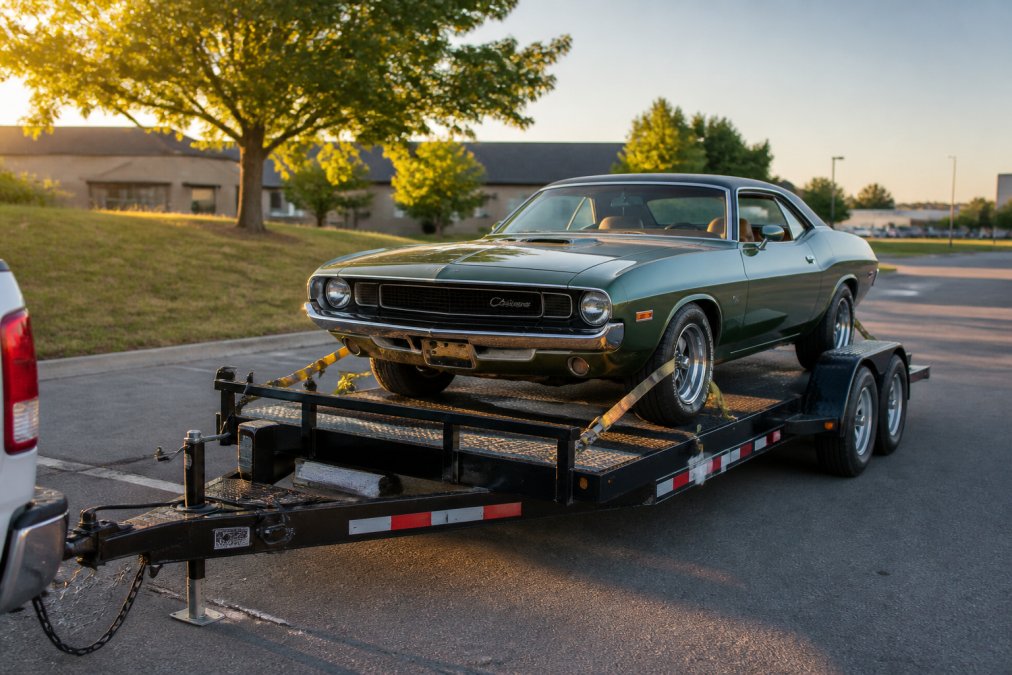
For anyone hauling a classic, race car, or project vehicle, 402 car hauler rentals is the most direct fit among trailerlink alternatives. The business focuses specifically on car hauling rather than mixing in moving trucks and dump trailers, which means the equipment and booking terms match how enthusiasts and shop owners actually work.
What sets it apart is flexibility. 402 car hauler rentals offers flexible terms and competitive rates. The trailers suit everything from a weekend project car to a track-ready race vehicle.
- Best for: Automotive enthusiasts, mechanics, and shop owners moving customer vehicles
- Pros: Car-focused inventory, flexible booking, local to the metro
- Cons: Specialized inventory means fewer units than a national chain
U-Haul: National Reach With Local Omaha Locations
U-Haul is the default answer for most people, and there is a reason for that. The company runs an extensive inventory of cargo, enclosed, utility, and motorcycle trailers across multiple neighborhood locations, with an online reservation system that tracks real-time availability and integrated hitch installation services (U-Haul [trailer rental(/trailer-rental-hidden-fee-guide) overview | uhaul.com]).
The trade-off is demand. Peak moving weekends empty out the popular sizes fast, and the equipment is built for general hauling rather than the specific needs of a car collector. If you need a utility trailer for a move, U-Haul works. If you need a car hauler with tie-down points built for a lowered vehicle, it is a compromise.
- Pros: Many pickup locations, reliable maintenance standards, hitch services on site
- Cons: High demand limits availability during peak weekends
Neighbors Trailer: Peer-to-Peer Rentals for Specialty Hauls
Neighbors Trailer operates a peer-to-peer marketplace that connects renters with local trailer owners, which opens up specialized equipment you will not find on a standard rental lot. Dump trailers, heavy-duty car haulers, and other niche units show up in the listings, and you communicate directly with the owner before booking.
The catch is availability. Because every listing belongs to an individual, the exact trailer you want may not be free on your date. Rates are transparent and often beat national chains, but you are planning around someone else's schedule.
- Pros: Wider variety of specialized trailers, competitive pricing
- Cons: Availability depends entirely on individual owner listings
RVezy: Travel Trailer Rentals With Insurance Included
RVezy is built for recreational travel rather than vehicle transport. The platform lists travel trailers and RVs from 10 to 40 feet, and every rental agreement comes with insurance coverage included, which removes a common source of anxiety for first-time renters (Recreation Vehicle Industry Association guidance).
If your goal is a destination trip with a camper, RVezy is a strong fit. If your goal is moving a car, it is the wrong tool. The higher price point reflects the recreational equipment and the bundled coverage.
- Pros: Insurance included, professional-grade recreational units, delivery options
- Cons: Higher price point than standard utility trailers
BigRentals: Aggregator for Heavy-Duty Commercial Trailers
BigRentals works differently from the rest. Instead of owning a fleet, it aggregates local providers into one search interface, giving access to professional-grade flatbed, enclosed, and utility trailers suited to commercial and heavy-duty projects.
For contractors and businesses with large-scale hauling needs, that aggregation saves legwork. The downside is pricing inconsistency. Because each partner sets its own rates, you cannot compare on price alone without contacting providers directly.
- Pros: One interface for multiple local sources, suited to commercial projects
- Cons: Pricing varies significantly by rental partner
Car Hauler Rental Rates: What Drives the Price
Car hauler rental rates in the area depend on four variables: trailer type, rental length, demand timing, and whether the unit is open or enclosed. A basic open utility trailer costs less than a dedicated car hauler, and an enclosed trailer costs more than either because it protects the vehicle from weather and road debris. Most providers price by the day, with weekly discounts that can cut the effective daily rate substantially once you cross the five- to seven-day mark.
Here is how the cost drivers stack up in practice:
- Trailer type. A standard open utility trailer sits at the low end. A dedicated open car hauler with a winch, tie-down points, and a dovetail sits in the middle. An enclosed car hauler with a ramp door and interior tie-downs sits at the top.
- Rental length. Daily rates fall as the rental window stretches. A one-day rental carries the highest per-day cost; a weekly rental spreads the same equipment over more days. Ask each provider for the weekly rate before you commit to a daily one.
- Demand timing. Spring through early fall is show and race season, and specialty car haulers move fast. Holiday weekends and the end of the month, when leases turn over and moves cluster, push demand higher across every trailer class.
- Pickup and return logistics. Some providers charge for delivery and pickup, some build it into the rate, and some only allow in-person pickup at a fixed lot. A lower daily rate with a delivery fee can cost more than a higher flat rate you tow away yourself.
Rather than quoting a fixed figure, the honest answer is that rates move with the season and the specific unit. Check with each provider directly for current pricing on your dates, and ask for the out-the-door total, not the advertised daily rate.
Rent vs. Buy: When Renting Stops Making Sense
This is the question most rental pages skip, and it is the one that saves the most money. The break-even point depends on how often you haul, not on how much a single rental costs.
A common pattern among enthusiasts and small shops is to rent for the first two or three jobs, then run the math. If you are hauling once or twice a year, a single car show, one project car purchase, renting can be a good option. You avoid storage, insurance, registration, and maintenance, and you get a unit that is already serviced and ready.
If you are hauling monthly or more, owning a trailer might be more suitable. A trailer you own sits in your yard or a storage lot, but it is available on your schedule, set up the way you like it, and not subject to someone else's booking calendar. The crossover usually lands somewhere around six to ten rentals per year for a basic open car hauler, though the exact number depends on local rental rates, storage costs, and how much you value not chasing availability during peak season.
A middle path many haulers use: rent a specialty unit (enclosed, heavy-duty, or with a winch) for the jobs that need it, and own a basic open car hauler for routine moves. That keeps the capital cost low while covering the edge cases.
Enclosed vs Open Trailer Rentals: Which Protects Your Vehicle Better?
Enclosed trailer rentals protect a vehicle from weather, road debris, and prying eyes, while open trailers cost less and are easier to load. The right choice comes down to what you are hauling, how far, and what the load actually weighs once it is on the deck.
For a restored classic or a show car, enclosed is worth the premium. Paint chips, bird strikes, and highway gravel are real risks over long distances, and an enclosed unit removes them. For a daily driver, a beater project car, or a short local move, an open car hauler does the job at a lower rate.
- Choose enclosed if: The vehicle is restored, valuable, or traveling far
- Choose open if: The vehicle is a work in progress or the trip is short
Weight Ratings and Load Stability
Every trailer has a gross vehicle weight rating (GVWR) that caps the combined weight of the trailer and its load. Exceeding it affects braking, tongue weight, and stability at highway speed. Before you book, know three numbers: the empty weight of the trailer, the weight of the vehicle you are hauling, and the GVWR stamped on the trailer's data plate. If the first two add up past the third, you need a heavier trailer, not a longer strap.
Tongue weight matters just as much. Too little and the trailer sways; too much and it unloads the front axle of the tow vehicle. A common target is roughly 10 to 15 percent of the loaded trailer weight on the tongue, adjusted by moving the vehicle forward or back on the deck (nhtsa.gov). Enclosed trailers carry more wind load, so they are less forgiving of a light tongue.
Secure the load with four-point strapping at the frame or wheels, never the body panels, and re-check tension after the first few miles. Straps stretch, and a load that shifts at 60 mph is a hazard for everyone around you.
Towing Compliance and Safety Requirements
Towing rules are not uniform across the country, and they are not uniform across trailer classes. Before you hook up, confirm the following for your specific combination of tow vehicle, trailer, and load:
- Hitch class and rating. The hitch on your tow vehicle must be rated for the loaded trailer weight, not just the empty trailer. A Class III hitch and a Class IV hitch are not interchangeable for heavy loads.
- Safety chains. Cross the chains under the coupler in an X pattern so the trailer tongue is caught if the coupler fails. Chains should be rated for the load and long enough to turn without binding.
- Breakaway system. Trailers above a certain weight threshold are required to have a breakaway switch and battery that applies the trailer brakes if the trailer separates from the tow vehicle. Confirm the battery is charged before you leave the lot.
- Lights and reflectors. Check running lights, brake lights, turn signals, and side markers before every trip. A burned-out bulb is a common reason to be pulled over.
- Mirrors and visibility. Extended mirrors are required when the trailer is wider than the tow vehicle. If you cannot see down both sides of the trailer, you cannot change lanes safely.
- Weight and length limits. Some routes restrict trailer length or require permits above certain weights. If your combination is unusually heavy or long, check the route before you commit.
If you are new to towing, do a short shakedown run on local roads before you get on the highway. Practice backing into a parking space, feel how the trailer tracks in a turn, and get comfortable with the extra stopping distance. A loaded trailer does not stop like an empty one.
Frequently Asked Questions
What are the best alternatives to online trailer rental platforms in Omaha?
Local providers like 402 Car Hauler Rentals offer direct communication, flexible booking, and specialized car hauler equipment that general marketplaces may lack. National chains like U-Haul provide convenience and multiple locations, while peer-to-peer platforms like Neighbors Trailer offer competitive rates but depend on individual owner availability. For transporting classic or race cars, a dedicated car hauler rental service often provides better-maintained equipment and towing confidence than a generic utility trailer.
How do I choose the right trailer rental company for my vehicle?
Start by matching the trailer type to your vehicle: open trailers work for most cars, while enclosed cargo trailers protect classics from weather and road debris. Check the gross vehicle weight rating to ensure your tow vehicle can handle the loaded trailer. Ask about maintenance records, strap condition, and whether the company offers flexible booking terms. For project cars or race vehicles, prioritize a provider that specializes in car haulers rather than general moving equipment.
Are local trailer rental providers more cost-effective than national platforms?
Local providers often have lower overhead and can offer competitive rates, especially for multi-day or weekly rentals. National platforms may charge similar daily rates but add fees for insurance, mileage, or late returns. Peer-to-peer marketplaces can be cheaper but vary by owner. Always ask for a full quote including taxes, insurance, and any deposit before booking. For car hauler rental rates in Omaha, local specialists frequently match or beat national chains while providing better equipment for vehicle transport.
What should I look for when renting a car hauler?
Inspect the trailer's tires, brakes, lights, and tie-down points before leaving the lot. Confirm the trailer's weight capacity exceeds your vehicle's weight plus any gear. Ask about the condition of straps and wheel chocks, and verify the rental agreement covers breakdowns or equipment failure. A reputable provider will walk you through hitching, load stability, and safety inspection steps. If the straps look worn or the deck is damaged, request a different trailer.
Do local rental companies offer flexible booking terms?
Many local providers, including 402 Car Hauler Rentals, offer flexible terms because they understand project timelines vary. Unlike national chains with strict daily rate structures, local companies may adjust pickup and drop-off times, offer weekly rates, or accommodate last-minute changes. Ask upfront about cancellation policies, extension fees, and whether you can modify your reservation if your restoration or move timeline shifts. Getting these details in writing prevents surprises.